
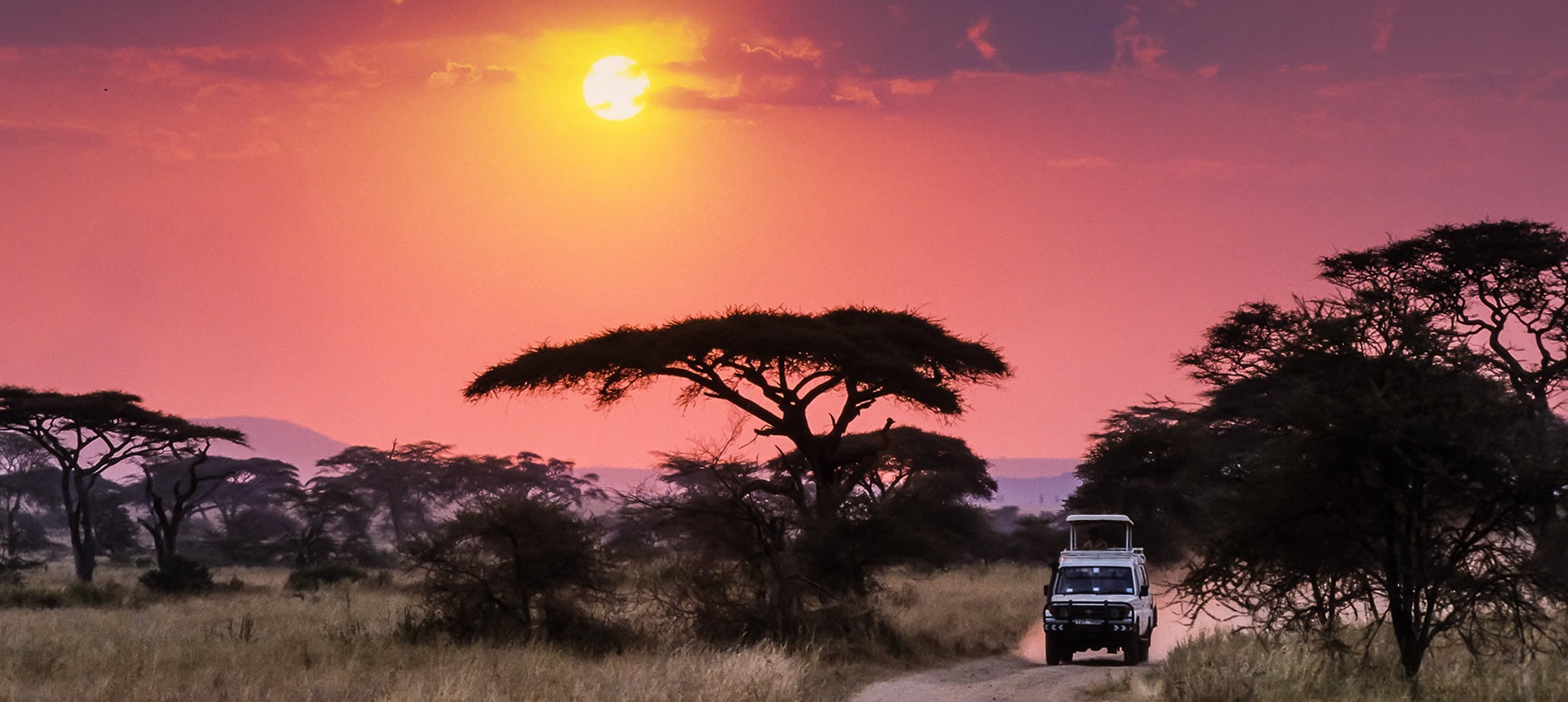
Rwanda, Uganda and Tanzania in 14 Days
Few journeys in Africa pack in as much variety as a loop through Rwanda, Uganda and Tanzania. In two weeks you can track mountain gorillas in misty volcanic forests, watch tree-climbing lions in the Ugandan savannah, cross the equator, and finish among the vast plains of the Serengeti and the crater walls of Ngorongoro. Doing it yourself, behind the wheel, gives you freedom no fixed-departure tour can match: stop for roadside roasted maize, linger at a viewpoint, or change plans when a ranger tells you where the leopard was seen that morning.
This guide lays out a realistic 14-day itinerary, along with practical advice on car hire East Africa style logistics, cross border safaris, camping safaris and one way rentals.
Why Self-Drive This Route?
A self-drive trip suits travellers who value flexibility and cost control. Compared with a guided safari, you set your own pace, choose your own accommodation level, and can mix lodges with campsites. The trade-off is that you handle navigation, border paperwork and vehicle care yourself, so preparation matters.
The route below runs roughly from Kigali to Arusha (or the reverse), and covers around 2,500 to 3,000 km depending on detours. Keep driving days to five or six hours where possible, because road speeds are slower than distances suggest.
Planning the Logistics
Car Hire in East Africa
Reputable car hire East Africa operators offer 4×4 vehicles such as Toyota Land Cruiser Prados, Hilux double cabs and Land Cruiser 70 series, often fitted with roof tents, fridges, recovery gear and a second spare tyre. For this itinerary a high-clearance 4×4 is strongly recommended. Tarmac is generally decent between major towns, but park roads, the Kigali–Kisoro area after rain, and Tanzanian game circuits can be rough or muddy.
When comparing providers, check:
- Insurance coverage: Confirm collision damage waiver, theft protection and the excess you would pay. Ask specifically whether tyres, windscreens and underbody damage are covered.
- Mileage: Unlimited kilometres are ideal for a trip of this length.
- Roadside support: Find out how the company handles breakdowns in remote areas and across borders.
- Equipment: Jerry cans, tow rope, jack, air compressor and a good first-aid kit are worth having.
Book well ahead for July to September and December to February, when demand peaks.
Cross Border Safaris and Paperwork
Cross border safaris are very doable, but only with the right documents. Not every rental company allows its vehicles to leave the country, and those that do charge a cross-border fee and supply a letter of authorisation, plus copies of the logbook and insurance. Tell the operator your full route when booking.
Key points:
- East Africa Tourist Visa: Rwanda, Uganda and Kenya offer a single visa covering all three, but Tanzania is not part of it. Tanzania requires its own visa, which can be applied for online in advance.
- Yellow fever: Carry your vaccination certificate, as it may be checked at borders.
- Vehicle documents: Keep the original logbook or authorisation letter, insurance proof and your driving licence together. An International Driving Permit is advisable.
- Temporary import permits and fees: Expect to pay road-user or vehicle fees at crossings. Carry small US dollar notes and local currency.
- Border timing: Aim to reach crossings in the morning. Processing can take one to three hours.
- Driving side: All three countries drive on the left.
The main crossings on this route are Gatuna/Katuna between Rwanda and Uganda, and Mutukula between Uganda and Tanzania. Some travellers instead route via Rusumo on the Rwanda–Tanzania border, which is a more direct option for the final leg.
One Way Rentals
One way rentals allow you to pick up a vehicle in Kigali and drop it in Arusha, or vice versa, avoiding a repetitive backtrack of two to three days. This is the single most useful trick for a 14-day trip, since it frees up time for parks rather than driving. Expect a one-way drop fee, which varies with distance and border complexity, so ask for it to be included in the quote upfront. Confirm that the company has a staffed office or agent at the drop-off point and that the cross-border paperwork covers both directions.
Camping Safaris
Camping safaris are a budget-friendly and immersive way to do this route. Many rental vehicles come with roof tents and full camping kits, including stoves, cutlery, chairs, tables and sleeping mats. Public campsites exist in Volcanoes National Park surroundings, Queen Elizabeth, Lake Mburo, Serengeti and Ngorongoro, while private campsites near Lake Bunyonyi and Lake Victoria offer lakeside pitches.
Camping tips:
- Never leave food in the open, because baboons, hyenas and elephants are opportunistic.
- Pre-book popular park campsites in peak season.
- Carry a headtorch, spare batteries and a power bank.
- Mix camping with a few guesthouses for hot showers and laundry, which helps on a two-week trip.
The 14-Day Itinerary
Days 1–2: Kigali, Rwanda
Collect your vehicle and spend two days adjusting to the pace. Visit the Kigali Genocide Memorial, which provides essential context for understanding modern Rwanda. Explore Kimironko Market, the Inema Arts Centre and the city’s cafés. Rwanda is exceptionally clean and orderly, making it an easy country to start driving in. Plan your gorilla permit in advance, as these are limited and sell out.
Days 3–4: Volcanoes National Park
Drive about two and a half hours north to Musanze. Gorilla trekking here is the headline experience, with permits priced significantly higher than most park fees, so budget accordingly. Treks last from one to several hours depending on where the family moved overnight. If gorillas are not your focus, consider golden monkey tracking or the Dian Fossey hike. Overnight in or near Musanze.
Day 5: Border to Lake Bunyonyi, Uganda
Cross at Cyanika or Gatuna into Uganda and continue to Lake Bunyonyi, a calm, terraced lake dotted with islands and free of bilharzia, so swimming is safe. This is a good place to rest after border formalities, paddle a dugout canoe and camp lakeside.
Days 6–7: Queen Elizabeth National Park
Head north to the Ishasha sector, famed for tree-climbing lions resting in fig trees. Continue to the Mweya peninsula for a Kazinga Channel boat cruise, where hippos, buffalo, elephants and countless birds line the banks. Game drives at dawn give the best chances of spotting leopards and lions.
Day 8: Kibale or Lake Mburo
Choose between two options. Kibale Forest offers chimpanzee tracking, while Lake Mburo, further east and on the way to the Tanzanian border, provides walking safaris, zebras and impalas, and horseback riding. If you are tight on time, Lake Mburo fits better with the route toward Tanzania.
Day 9: Uganda to Tanzania
Drive via Masaka, stopping at the equator line for photos, then continue toward Mutukula. After clearing the border, push on to Bukoba or Mwanza on Lake Victoria, depending on your timing. Plan an early start, since this is a long driving day.
Days 10–11: Serengeti National Park
Reaching the Serengeti via Mwanza is one of the most rewarding legs of the journey. Self-drive is permitted in Tanzanian national parks, but you pay vehicle, crew and concession fees, and visitors should arrange permits and park payments in advance (many parks use cashless payment cards). Spend two nights in the central Seronera region, which has year-round game, including lions, cheetahs and leopards. Between December and March, the southern plains host calving wildebeest. From June to October, herds gather in the northern Serengeti and Mara River region.
Day 12: Ngorongoro Crater
Exit the Serengeti via the Naabi Hill gate and ascend to the Ngorongoro Conservation Area. The crater floor has black rhinos, hippos, lions and flamingos. Descent into the crater is subject to specific rules, and in many cases vehicle and guide requirements apply, so check the current regulations. The crater rim campsites offer unforgettable views.
Day 13: Lake Manyara or Tarangire
Continue toward Arusha, stopping at Lake Manyara for its tree-climbing lions and flamingos or Tarangire for large elephant herds and baobab trees. Tarangire is especially good in the dry season.
Day 14: Arusha and Departure
Return your vehicle at the Arusha drop-off point, then enjoy a final meal at a local café before your flight from Kilimanjaro International Airport.
When to Go
The dry seasons from June to October and from December to February are best for road conditions and wildlife viewing. April and May bring heavy rains that can close sections of road and make camping uncomfortable. If you travel in the green season, expect fewer visitors and lower rates, but allow extra driving time.
Budget Overview
Costs vary widely, but the biggest line items are gorilla permits, Serengeti and Ngorongoro park fees, vehicle rental and fuel. Camping can reduce accommodation costs considerably compared with lodges. Fuel is more expensive in Rwanda and Tanzania than in many Western countries, and stations can be sparse in remote areas, so top up whenever you pass one. Carry cash for tolls, parking and informal fees, but rely on cards in cities and lodges.
Safety and Road Etiquette
Road safety is the main concern on any African self-drive. Avoid driving at night, when unlit trucks, pedestrians and livestock appear without warning. Expect speed bumps in villages, motorcycle taxis weaving through traffic, and police checkpoints. Stay polite, keep your documents accessible and observe speed limits, as radar enforcement is common, particularly in Tanzania. Rwanda has a ban on plastic bags, so avoid bringing them across the border.
Keep the vehicle locked, keep valuables out of sight and download offline maps before leaving each city. Mobile data SIM cards are inexpensive and available at borders and airports, though you will need a separate SIM for each country.
Packing Essentials
- Layered clothing, as Rwanda’s highlands and Ngorongoro rim are cold at night
- Waterproof jacket and sturdy hiking boots for gorilla trekking
- Binoculars and a zoom lens
- Insect repellent and malaria prophylaxis (consult your doctor)
- Reusable water bottle and water purification tablets
- Printed copies of permits, insurance and vehicle paperwork
Final Thoughts
A self-drive journey through Rwanda, Uganda and Tanzania rewards preparation with extraordinary freedom. By choosing reliable car hire East Africa providers, understanding the requirements for cross border safaris, blending camping safaris with the occasional comfortable bed, and using one way rentals to avoid wasted days, you can see three of Africa’s finest wildlife destinations in just two weeks. Book permits early, drive defensively, stay flexible, and let the road deliver its surprises.
Note: visa rules, park fees, border procedures and permit prices change often, so confirm current details with official sources and your rental company before you travel.