
Kigali to Entebbe One-Way Self-Drive: What to Know Before You Go
Driving yourself from Kigali to Entebbe is one of East Africa’s most rewarding road journeys. You leave Rwanda’s tidy hills, cross the border at Gatuna (Katuna on the Ugandan side), and roll through Uganda’s lush southwest before reaching the shores of Lake Victoria. It also sets you up for a flexible itinerary that mixes city time, national parks and gorilla trekking. This guide covers what to expect and how to prepare.
The Route at a Glance
The standard road runs Kigali, Gatuna/Katuna border, Kabale, Mbarara, Masaka, Kampala, Entebbe. Expect roughly 520 to 560 km depending on your exact start and end points. Driving time is about 9 to 11 hours, including the border crossing and Kampala traffic, so most self-drivers split it over two days.
Good overnight stops are Kabale (cool highland air, near Lake Bunyonyi), Mbarara (a large town with good fuel and supplies) and Masaka (a comfortable last stop before Kampala). Don’t try to push through Kampala at rush hour. The capital’s congestion can add two or more hours.
Car Hire and Self Drive: The One-Way Question
The biggest planning issue is whether your rental company allows cross-border, one-way car hire and self drive. Many do not, and those that do usually charge for it. Typical conditions include:
- One-way drop-off fees, often several hundred US dollars, because the company must reposition the vehicle.
- Cross-border documentation, including a letter of authorisation from the hire company and copies of the vehicle registration.
- Cross-border insurance. Check whether your policy covers both countries. Many travellers rely on a COMESA Yellow Card or an equivalent regional cover arranged by the rental company.
- Vehicle restrictions. Some operators only allow 4x4s or specific models across the border.
- Higher deposits or excess, and sometimes mileage caps.
Book well ahead, particularly in the peak seasons (June to September and December to February), and get the cross-border terms in writing. Ask directly who handles the border paperwork, who is responsible if the car breaks down in the other country, and whether the company has a drop-off point at or near Entebbe International Airport.
Rental fleets and rules change, so confirm everything with the provider rather than relying on a general guide. Rwanda-Uganda border arrangements have also shifted in the past, so check the current status before you commit.
Documents You’ll Need
Have these ready in both paper and digital form:
- Passport valid for at least six months.
- Visas. Rwanda and Uganda both offer visas, and the East Africa Tourist Visa can cover Rwanda, Uganda and Kenya if you plan a wider trip. Check current fees and application routes on the official immigration sites.
- Driving licence, plus an International Driving Permit (strongly recommended, and often required by rental companies).
- Yellow fever vaccination certificate, which is commonly checked at the border.
- Vehicle papers and the cross-border authorisation letter from the rental company.
- Proof of insurance.
Keep photocopies separate from the originals. You’ll be asked for documents at the border and at police checkpoints.
Crossing the Border: Gatuna/Katuna
Both sides process immigration and vehicle formalities. Allow one to two hours, more at busy times. A typical sequence is:
- Exit immigration on the Rwandan side and complete vehicle exit formalities.
- Cross to the Ugandan side for visa and entry stamps.
- Complete temporary vehicle import paperwork, pay any required road or insurance fees, and get the documents stamped.
Carry small US dollars or local currency for fees, and make sure your phone has an offline map. Stay patient and polite, and don’t hand documents to unofficial “helpers.”
Driving Differences: Left vs Right
This is the detail that catches people out. Rwanda drives on the right, Uganda on the left. The switch happens right at the border, and the rental car’s steering wheel may not match the new side. Take the first few kilometres slowly, especially at junctions and roundabouts.
Other things to expect on Ugandan roads:
- Boda bodas (motorcycle taxis) weave through traffic unpredictably.
- Heavy trucks on the main corridor, especially near Kampala, slow overtaking.
- Speed bumps in towns and trading centres, sometimes with little warning.
- Police checkpoints and speed checks. Stay within limits and keep your papers handy.
- Roadside livestock and pedestrians, especially in rural stretches.
Avoid driving at night. Unlit vehicles, potholes and pedestrians make it genuinely risky. Plan to arrive each day before dusk, which comes early near the equator.
Fuel, Money and Connectivity
Fuel is available in all the larger towns along the route, so top up in Kabale, Mbarara and Masaka rather than waiting for the last bar on the gauge. Cards are accepted at some stations, but carry cash for smaller ones. Mobile money is widely used in both countries, and a local SIM (MTN or Airtel) is cheap and gives you navigation and emergency contact. Buy one at the airport or in town with your passport.
A useful stop on the way is the Equator crossing near Kayabwe, between Masaka and Kampala. It’s a classic photo stop with small craft stalls.
Camping Safaris Along the Way
If you like the idea of camping safaris, the Kigali-to-Entebbe route can be turned into a flexible overland trip. Some operators offer vehicles equipped with rooftop tents, camping gear and cooking kits, which suit self-drivers who want to explore at their own pace. Good camping-friendly detours include:
- Lake Mburo National Park, a small, easy-access park with zebras, impalas and a walking safari option, close to the main road near Mbarara.
- Lake Bunyonyi, near Kabale, with lakeside campsites and quiet canoe trips.
- Queen Elizabeth National Park, a longer detour but known for tree-climbing lions, boat safaris on the Kazinga Channel and lodges and campsites for different budgets.
Camping needs more preparation: water, food, a reliable stove, and awareness of park rules and gate hours. Many parks require you to arrive and leave within set times, and some activities need guides. Confirm that your rental company explicitly permits camping equipment, rooftop tents and off-tarmac park roads, because some contracts forbid them.
Cross Border Safaris: Combining Rwanda and Uganda
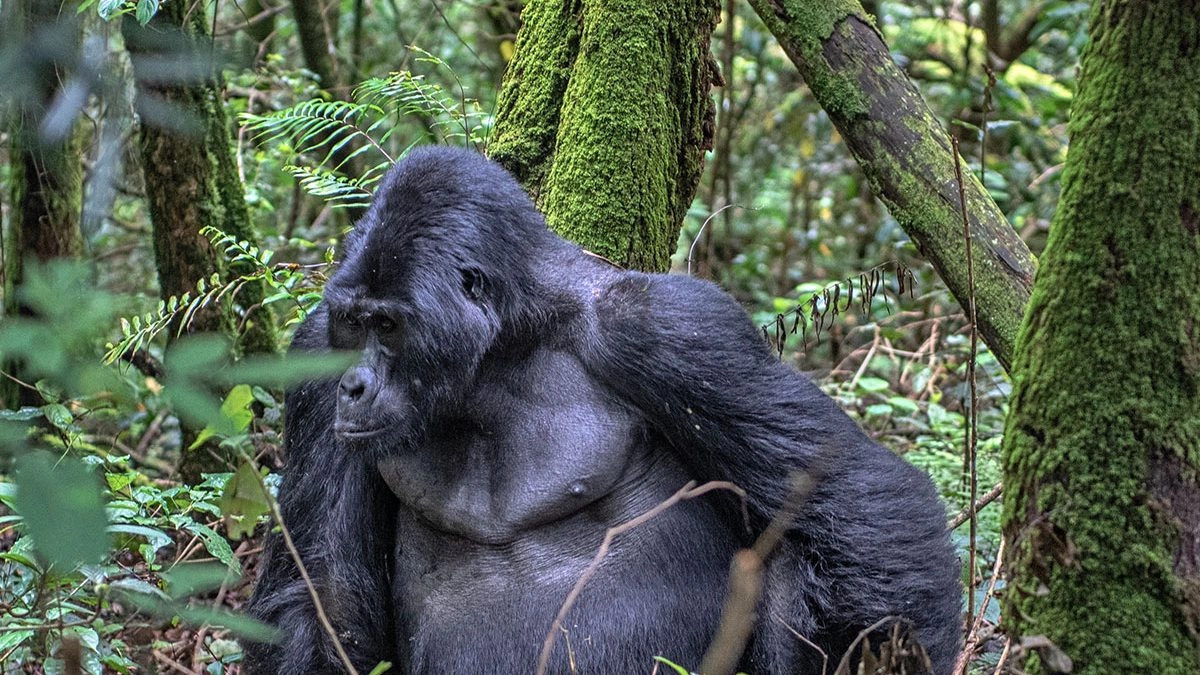
The corridor between Kigali and Entebbe suits cross border safaris, since the two countries sit side by side with complementary highlights. A well-known pairing is gorilla trekking in Rwanda’s Volcanoes National Park with Uganda’s Bwindi Impenetrable National Park, or chimpanzee tracking in Kibale, followed by classic savannah game viewing in Queen Elizabeth or Murchison Falls.
A few practical notes:
- Permits are separate. Gorilla and chimp permits are issued by each country’s wildlife authorities, are limited in number and sell out in peak months. Book early, and note that prices differ between Rwanda and Uganda.
- Park roads can be rough. Many tracks around Bwindi are steep, narrow and slippery in the rains, so a high-clearance 4×4 is a real advantage.
- A hybrid approach works well. Some travellers self-drive the main road and hire a local driver-guide for park days, getting independence without the stress of rough terrain.
When to Go and How to Plan Your Days
The dry seasons (roughly June to September and December to February) are generally easier for driving, trekking and camping. The rainy months bring greener scenery and fewer visitors, but expect muddy tracks and slower progress.
A sensible two-day plan is:
- Day 1: Kigali to Kabale or Mbarara, leaving early to clear the border before midday.
- Day 2: Mbarara or Masaka to Entebbe, timing your Kampala pass-through outside rush hour.
Add extra nights if you want parks, lakes or treks, and leave a buffer before an international flight from Entebbe, ideally a full night rather than a same-day dash.
Final Checklist
- Confirm one-way, cross-border permission and fees in writing.
- Arrange cross-border insurance and bring all vehicle documents.
- Carry your IDP, passport, visa and yellow fever certificate.
- Remember the left/right switch at the border.
- Avoid night driving and fill up in larger towns.
- Book gorilla, chimp and park permits early.
- Check current border, visa and fee information shortly before travelling.
Done right, a Kigali to Entebbe self-drive gives you the freedom of the open road, plenty of wildlife and scenery, and a smooth landing at the airport.
I can also put this into a file, such as a Word doc or web page, if you’d like.