
A journey into the heart of the Congo-Nile Divide — where conservation, culture, and wildlife converge
Tucked away in Rwanda’s lush western highlands, Gishwati Mukura National Park is one of Africa’s greatest conservation success stories — a forest reborn from near extinction, now drawing travellers from across the globe with its remarkable biodiversity, primate encounters, and intimate community experiences. Gishwati Mukura is not just a national park — it is a living testament to what Rwanda has achieved through determination, conservation, and community partnership.
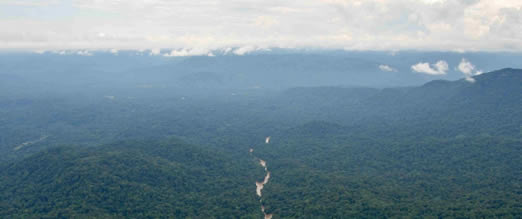
Location: Where Is Gishwati Mukura National Park?
Gishwati Mukura National Park sits in the western region of Rwanda, spanning the districts of Rutsiro and Ngororero within the country’s Western Province. It occupies a stretch of the Congo-Nile Divide — the dramatic mountain ridge that separates the watersheds of the Congo and Nile rivers — placing it squarely within one of the most biologically rich zones on the African continent: the Albertine Rift.
The park is made up of two distinct forests. The larger Gishwati Forest lies in the northwest, not far from Lake Kivu, and is the portion currently developed for tourism. The smaller Mukura Forest lies approximately 50 kilometres further south. Together they cover a protected area of about 34 square kilometres, with a buffer zone extending beyond. The park sits geographically between Volcanoes National Park in the north and Nyungwe Forest National Park in the south, making it a potential ecological corridor of immense significance. Travellers heading there from Kigali can arrange a 4×4 self-drive tour along Rwanda’s scenic western roads — an adventure in itself through the rolling hills of the country’s heartland.
A Forest Brought Back from the Brink
The story of Gishwati Mukura is, above all, a story of extraordinary resilience. In 1930, the Gishwati Forest covered roughly 70,000 acres of dense montane rainforest. Decades of uncontrolled cattle ranching, agricultural expansion, and illegal mining steadily stripped it bare. Then came the devastation of the 1994 Rwandan Genocide. As hundreds of thousands of displaced people returned across Rwanda’s borders, many settled in the forest zones, clearing land for survival farming. By 2001, the once-vast Gishwati had been reduced to a fragile patch of just 1,500 acres — less than one percent of its original size.
In 2007, the Gishwati Area Conservation Program (GACP) was established in collaboration with the Rwandan government, beginning the slow, painstaking work of reforestation. By 2015, a national law was passed formally creating Gishwati Mukura National Park, and in December 2020, the park officially opened its gates to the public — earning the distinction of being the youngest national park in Africa. Today, reforestation efforts have grown the native forest cover to around 2,500 acres and counting, with ambitious plans to one day reconnect Gishwati and Mukura forests through a continuous rainforest corridor all the way to Nyungwe.
Did You Know?
Gishwati Mukura National Park is managed under a 25-year agreement between Rwanda Development Board and Wilderness Safaris — the same conservation organisation operating Bisate Lodge in Volcanoes National Park and Magashi Lodge in Akagera.
Tourism Activities: What to Do at Gishwati Mukura
The park currently offers a compelling suite of activities centred around Gishwati Forest, while Mukura remains largely undeveloped pending future investment in trails and infrastructure. Visitors on a car hire with a driver from Kigali can reach the park comfortably and have their guide manage logistics throughout.
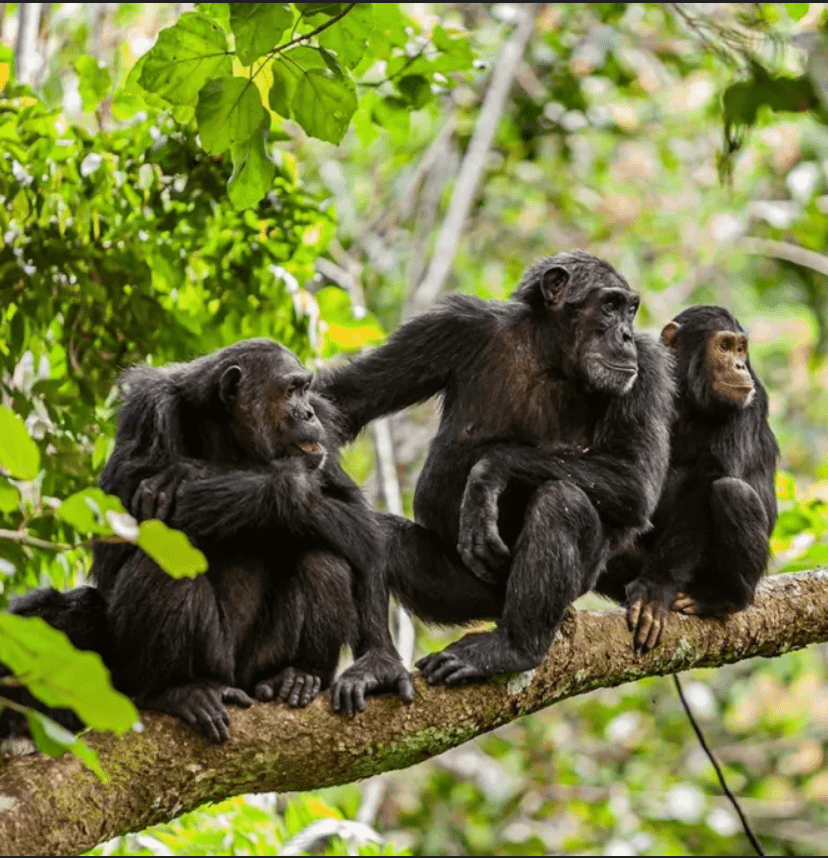
Chimpanzee Trekking is the park’s signature experience. Unlike the habituated chimpanzees at Nyungwe Forest, the Gishwati troop remains largely unaccustomed to human presence, meaning sightings require patience and persistence — but when they occur, the encounter carries a raw, unrepeatable quality. Tracking starts early in the morning with park rangers and guides who locate the troop’s approximate position the night before. A chimpanzee tracking permit costs US$100.
Golden Monkey Trekking offers a more reliably rewarding primate experience, as the golden monkeys of Gishwati are somewhat more approachable. These animated, golden-furred primates are a delight to observe as they move through the bamboo and forest canopy.
Guided Nature Walks and Hiking allow visitors to explore the forest’s layered ecosystems at leisure. Well-maintained trails wind through thick canopy, bamboo thickets, and open clearings, eventually leading to the spectacular Kazeneza Waterfalls at the heart of the forest — one of the park’s most iconic sights.
Birdwatching Tours are conducted on foot with expert guides who can identify the forest’s resident and migratory species and lead visitors to the best spotting locations along the park’s dedicated birding trails.
Post Category
Wildlife: What Lives in the Forest?
Despite its modest size, Gishwati Mukura teems with life. The park shelters over 60 tree species including indigenous hardwoods, bamboo, mahogany, tree ferns, orchids, and blue lichens. This rich plant diversity underpins a complex ecosystem that supports an impressive range of fauna.
Around 35 individuals live in Gishwati, the park's headline attraction.
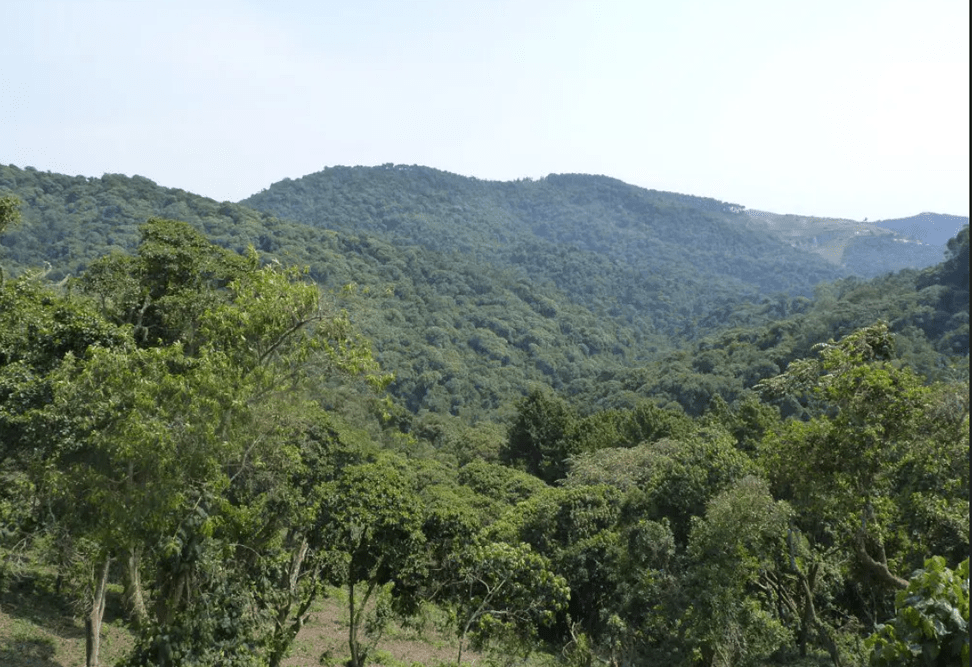
Birds (232+ species)
Birding is a major draw for ornithologists and wildlife photographers alike. Among the 232 recorded species are rarities such as the Ruwenzori Turaco, Purple-breasted Sunbird, Regal Sunbird, Stripe-breasted Tit, and the Grey Crowned Crane. With over 650 bird species recorded across Rwanda as a whole, Gishwati occupies a special place as one of the country’s premier birdwatching destinations.
Community-Based Ecotourism: Tourism That Gives Back
One of the most compelling aspects of Gishwati Mukura’s tourism offer is its deep integration with the communities that live along its boundaries. The park’s management, led in partnership with the Forest of Hope Association and Wilderness Safaris, has established a network of community cooperatives that give visitors a genuine window into Rwandan rural life while ensuring that tourism revenue flows directly to local households.
Visitors can participate in a farm stay, experience a live traditional dance performance, learn handicraft-making, tour a working tea plantation, visit a beekeeping cooperative, or consult with traditional healers whose plant-based knowledge bridges generations. These experiences enrich any Rwanda itinerary beyond the standard safari circuit and are especially meaningful for travellers arriving on camping safaris who spend multiple nights in the region.
Why Gishwati Mukura Matters to Rwanda’s Tourism Industry
Rwanda has long positioned itself as a premium, conservation-led tourism destination — and Gishwati Mukura plays a central role in advancing that strategy. The park diversifies Rwanda’s tourism offering beyond its flagship attraction of mountain gorilla trekking at Volcanoes National Park, giving travellers compelling reasons to spend more time in the country and explore its western corridor. For visitors already planning trips to Volcanoes National Park or Nyungwe National Park, Gishwati Mukura sits neatly between the two, making it a natural stop on any western Rwanda circuit.
The park also strengthens Rwanda’s reputation for responsible, community-centred ecotourism — a model that underpins the country’s broader ambition to attract high-value travellers who engage meaningfully with local cultures and natural environments. The involvement of Wilderness Safaris, a continental leader in conservation tourism with projects across seven African countries, lends the park significant international credibility.
For independent travellers and self-drivers, reaching Gishwati Mukura is straightforward. The park is accessible from Kigali via the road between Karongi and Rubavu, and can be combined with a visit to Lake Kivu in Rwanda for a richly varied western Rwanda itinerary. Those who prefer not to drive alone can opt for a guided safari package that combines multiple parks in a single seamless journey.
Gishwati Mukura can be visited year-round thanks to the forest’s temperate highland climate, though the dry seasons — June to September and December to February — offer the most favourable conditions for trekking and hiking. Travellers planning multi-destination itineraries across Rwanda and beyond can also explore cross-border safaris that extend the adventure into Uganda’s primate-rich national parks.
Gishwati Mukura National Park is still emerging — trails are being developed, wildlife populations are growing, and its full potential as a tourism destination has yet to be realised. But that is precisely what makes it extraordinary. Visitors today are witnessing a forest in the act of becoming. They are not merely spectators of nature preserved; they are participants in its restoration. Every permit purchased, every community cooperative visited, and every kilometre driven along the western highlands contributes to the ongoing renewal of one of central Africa's most important ecosystems.
For Rwanda, Gishwati Mukura is more than a national park. It is a proof of concept — evidence that even the most degraded landscapes can be healed with vision, policy, and community resolve. For the traveller, it is an invitation into one of Africa's most quietly remarkable places. Whether you arrive by 4×4 self-drive through Rwanda's thousand hills or on an organised safari, the forest will not disappoint.
Contact For More Information!
Book a self-drive trip to Giswati Mukula National Park. Book chimapzee tracking permits from RDB in Kigali. The best tim to visit Giswati Mukula National Park is during the dry season in month of June to August.
Kigali Office
- +250 780 256 709
- kigalicarentals@gmail.com
Entebbe Office
- +256 200 912625
- info@allgorillatours.com