
Why Cross-Border Safaris on Self-Drive: Rwanda to Uganda
Cross-border self-drive safaris between Rwanda and Uganda have grown into one of East Africa’s most rewarding road trip experiences. They blend Rwanda’s polished accessibility with Uganda’s raw, untamed wilderness — giving travellers two countries’ worth of extraordinary wildlife in a single journey.
The Two Main Border Crossing Points
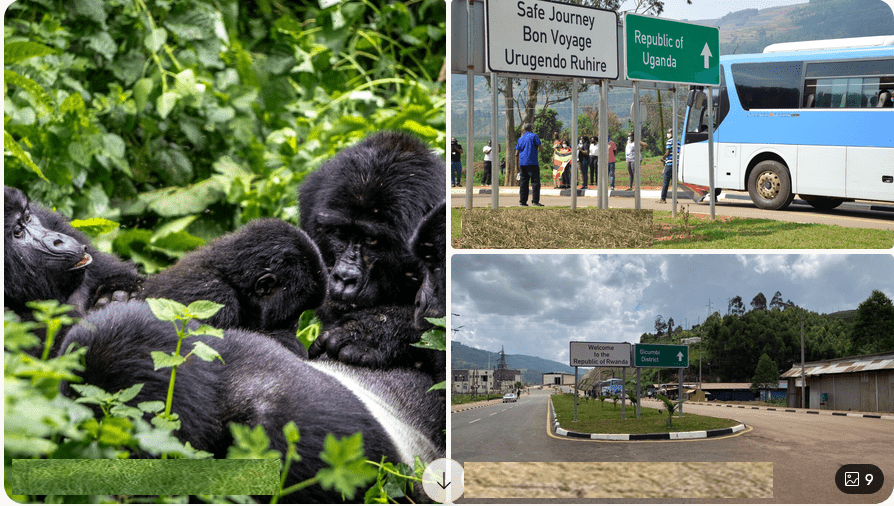
The most commonly used border crossings for travelers combining these two countries are Katuna/Gatuna — near Kabale, and particularly convenient when traveling between Bwindi and Kigali — and Cyanika, near Kisoro, which is the natural gateway when visiting Mgahinga Gorilla National Park.
Katuna border operates 24/7, while the Cyanika border is open during daytime hours. Most travelers report spending about 30 minutes to an hour at the border, provided passports, visas, and car papers are in order.
Why Tourists Cross from Rwanda into Uganda
More Affordable Gorilla Trekking; This is the single biggest motivator. A gorilla trekking permit in Uganda costs $800 per person, compared to $1,500 per person in Rwanda. For families or groups, this price difference is dramatic. Additionally, Uganda offers a special Gorilla Habituation Experience, where you spend four hours with gorillas instead of just one hour — at $1,500 per person. Rwanda does not offer this unique option.
Greater Wildlife & Primate Diversity; Uganda is home to over 1,060 bird species, 13 primate species in Kibale Forest alone, the Big Five in Murchison Falls and Queen Elizabeth parks, tree-climbing lions in Ishasha, and white rhinos at Ziwa Sanctuary. Rwanda, while outstanding for gorillas and chimpanzees, has a smaller and more concentrated wildlife offering. For travelers who want maximum species diversity in a single road trip, Uganda clearly holds the broader hand.
Lower Overall Safari Costs; Uganda is the better choice for experienced self-drive adventurers, wildlife diversity enthusiasts, and travelers seeking a longer, more immersive road trip at a lower overall cost. Park entry fees, accommodation, and general living costs in Uganda are considerably more affordable than Rwanda’s increasingly premium tourism market.
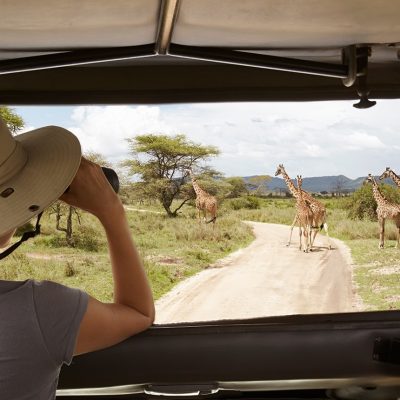
The Freedom of Self-Drive Adventure; Combining Uganda and Rwanda on a self-drive trip offers travelers a unique opportunity to explore two of East Africa’s most beautiful and wildlife-rich countries in one journey. A self-drive trip allows flexibility, giving travelers the freedom to set their own pace, choose scenic routes, and stop at cultural or natural attractions along the way.
Proximity & Convenient Routes; The two countries are physically close. Rwanda’s Volcanoes National Park is roughly two to three hours from Kigali on good tarmac roads, and from Volcanoes, it is a short additional drive across the Cyanika border into Uganda’s gorilla country, making a combined itinerary very manageable logistically.
Key Attracting Factors for the Cross-Border Experience
The Complementary Nature of Both Countries; Rwanda is the better self-drive destination for first-time African travelers, those with limited time, and anyone prioritizing road quality and ease of navigation. Uganda is the better choice for experienced self-drive adventurers who relish the challenge and remoteness that comes with rougher roads. Together, they offer a complete East African experience — Rwanda’s clean roads and refined lodges as a base, Uganda’s untamed wilderness as the adventure.
Dual Gorilla Trekking Experiences; This cross-border journey is more than just a profound trek — it’s a deep dive into two nations shaped by resilience, rich cultural traditions, and pioneering conservation efforts. Some travelers choose to trek gorillas in both countries to compare the experiences — Rwanda’s habitually easier terrain in Volcanoes versus Uganda’s dense, challenging forests in Bwindi.
The East Africa Tourist Visa
Some nationalities can use the East Africa Tourist Visa, which covers Kenya, Uganda, and Rwanda for 90 days, making multi-country travel administratively seamless and cost-effective.
One-Way Car Rental Options; Some car rental companies now allow one-way rentals, where you pick up the car in one country and drop it off in the other. This saves time and avoids backtracking. Companies like Self Drive Uganda and Self Drive East Africa have made cross-border logistics straightforward, providing COMESA insurance and car authorization letters as part of the rental package.
Uganda’s Most Popular National Parks for Cross-Border Safaris from Rwanda
Bwindi Impenetrable National Park; The undisputed star of the cross-border safari experience. This UNESCO World Heritage Site is home to nearly half of the world’s mountain gorilla population. It is the first port of call for most Rwanda-to-Uganda travelers crossing via Cyanika or Katuna. Uganda’s Bwindi Impenetrable Forest has more habituated gorilla families than Rwanda’s Volcanoes National Park, offering more trekking opportunities and permit availability.
Queen Elizabeth National Park; From Bwindi, the safari naturally continues to Queen Elizabeth National Park, one of Uganda’s most popular wildlife destinations, celebrated for its diverse ecosystems including savannah, forests, and wetlands. Its star attraction is the Ishasha sector, where tree-climbing lions — one of only two such populations in the entire world — can be found resting in fig trees. The famous Kazinga Channel boat cruise offers close encounters with hippos, crocodiles, and hundreds of bird species.
Mgahinga Gorilla National Park; Located right at the Rwanda-Uganda border near Kisoro, Mgahinga is accessed via the Cyanika border crossing and forms part of the larger Virunga Massif shared with Rwanda’s Volcanoes National Park and Congo’s Virunga. It offers gorilla trekking, golden monkey tracking, and volcano hiking — and is often done as a direct extension of a Rwanda safari.
Kibale Forest National Park; Uganda’s Kibale National Park is one of the best places in the world to observe chimpanzees up close — participants follow guides deep into the forest to watch these intelligent creatures in their natural surroundings, often hearing their loud calls and witnessing their complex social behaviors. With 13 primate species, it is widely regarded as the Primate Capital of East Africa.
Murchison Falls National Park; For travelers with more time, Murchison Falls National Park is Uganda’s largest and most dramatic conservation area, where the Nile River explodes through a 7-meter gorge. Cross-border itineraries from Rwanda that go deeper into Uganda typically include Murchison for its Nile cruises, game drives, and the thundering spectacle of the falls.
Lake Mburo National Park; A shorter detour for travelers on tighter schedules, Lake Mburo is conveniently located along the Kampala-Mbarara highway and is the only park in Uganda where you can see zebras and impalas, along with hippos, crocodiles, and a variety of antelopes. It makes an excellent overnight stop between the western Uganda parks and Kampala.
Practical Essentials for the Self-Drive Cross-Border Safari
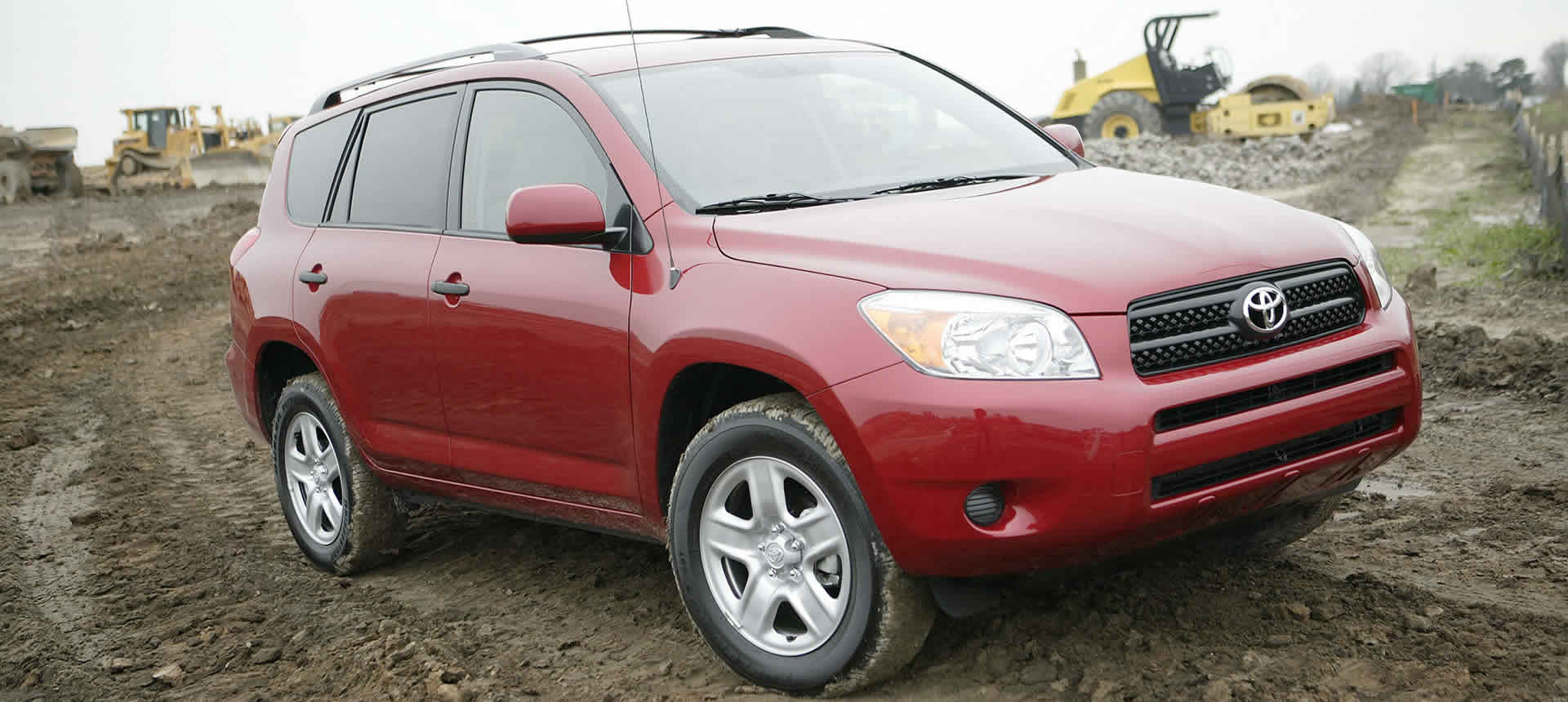
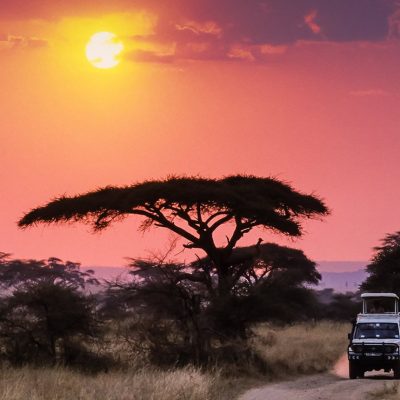
The vehicle of choice is universally the Toyota Land Cruiser (76 or 78 series) with a pop-up roof, rooftop tent, and camping gear for full bush immersion. Travelers need COMESA insurance, a Temporary Import Permit (TIP) for the vehicle, a valid international driving license, and their passport. Note that Kenya, Tanzania, and Rwanda-registered cars are charged $150 per day when visiting Uganda’s national parks, while Uganda-registered cars pay standard rates — a key consideration when choosing which country’s rental company to book through.
In short, the Rwanda-to-Uganda self-drive safari is one of East Africa’s great road trip adventures — two countries, one vehicle, and a lifetime of wildlife memories.
Most Popular
- All Posts
- Car Rentals
- Featured
- Gorilla Safaris
- Reviews
- Wildlife Tours
We present you more options on your self drive adventure trips.
