
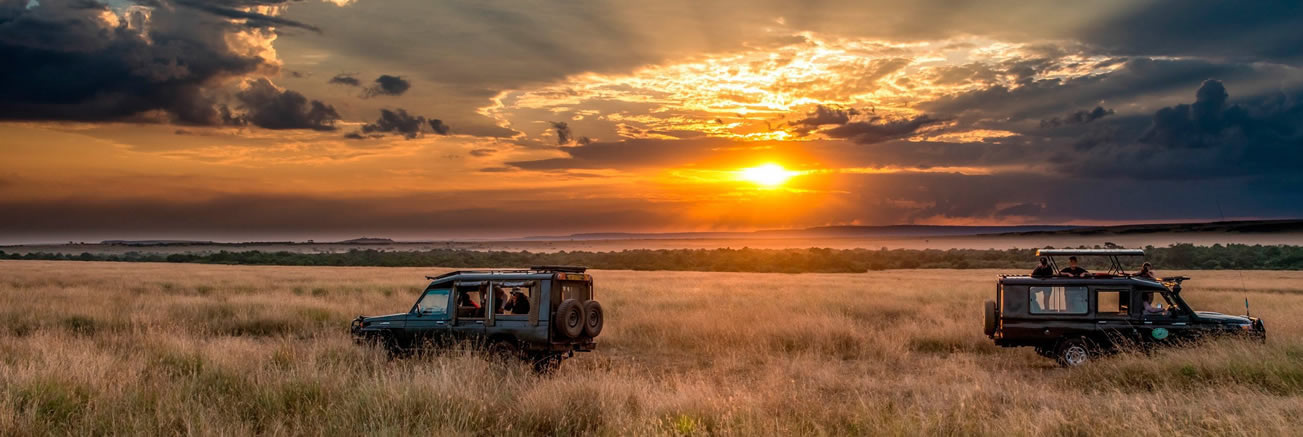
Affordable Self-Drive Safaris in Rwanda: The Complete Guide
Plan an affordable self-drive safari in Rwanda. Akagera, Volcanoes, Nyungwe & Gishwati-Mukura with tips on car hire, permits, costs & best routes. Rwanda, often called the “Land of a Thousand Hills,” is one of Africa’s most rewarding safari destinations. While it may not immediately come to mind alongside Kenya or Tanzania, this compact East African nation packs extraordinary biodiversity into a remarkably small area. Better still, Rwanda is increasingly accessible to budget-conscious and independent travellers who prefer to chart their own course. A self-drive safari here offers freedom, flexibility, and the deep satisfaction of discovering one of the continent’s most beautiful landscapes on your own terms.
Why Choose a Self-Drive Safari in Rwanda?
Self-drive safaris in Rwanda are genuinely feasible, largely because the country is small — roughly the size of the state of Maryland — and its road infrastructure is among the best on the continent. Tarmac roads connect all major towns and national park entrances, and distances between parks are manageable within a single day’s drive. Hiring a vehicle independently, rather than booking a fully guided tour package, can cut costs significantly, sometimes by as much as 40–60% depending on the itinerary. Car hire companies in Kigali offer a range of vehicles to suit different budgets and terrain requirements, and fuel, while not cheap by regional standards, is predictably priced and widely available.
That said, a self-drive safari in Rwanda requires planning. Park entry fees, accommodation costs, and permit requirements vary considerably between parks, and understanding these in advance will help you budget accurately and avoid surprises on the road.
Rwanda’s National Parks: An Overview
1. Akagera National Park
Location: Eastern Rwanda, along the Tanzanian border Size: Approximately 1,122 km² Best For: Classic savanna game drives, Big Five wildlife, birdwatching
Akagera is Rwanda’s only savanna park and the closest thing the country has to the classic East African game-drive experience. After years of rehabilitation — lions were reintroduced in 2015 and black rhinos in 2017 — the park now proudly hosts the Big Five: lion, leopard, elephant, buffalo, and rhino. It also supports large herds of zebra, topi, impala, waterbuck, hippo, and over 500 bird species, making it one of Central Africa’s premier birding destinations.
Is it self-drive friendly? Yes — Akagera is the most self-drive-friendly park in Rwanda. The internal road network is well-maintained, clearly signposted, and manageable in the right vehicle. Visitor maps are available at the park gate. You can freely drive the northern circuits, southern circuits, and lakeside tracks without a compulsory guide.
Do you need a guide? A guide is not mandatory for standard game drives in Akagera, which makes it the ideal park for independent travellers. However, guided game drives and boat trips on Lake Ihema are available and recommended if you want expert wildlife interpretation or wish to access certain remote areas. Night game drives, which are available at an additional cost, do require a park ranger to accompany you.
Recommended Vehicle: A 4×4 vehicle is strongly recommended, though not strictly required on the main circuits during the dry season. During the wet season (March–May and October–November), a high-clearance 4×4 is essential, as several tracks become muddy and difficult to navigate. A Toyota Land Cruiser or Land Rover Defender is ideal. A standard saloon car or compact SUV can manage the main roads in dry conditions but risks getting stuck on secondary tracks.
Estimated Daily Budget: Park entry fees are around USD 40 per person per day. Budget campsites are available from approximately USD 20–30 per night, while mid-range lodges and tented camps range from USD 80–200 per person per night.
2. Volcanoes National Park
Location: Northwestern Rwanda, Musanze District, bordering the Democratic Republic of Congo and Uganda Size: Approximately 160 km² Best For: Mountain gorilla trekking, golden monkey trekking, Dian Fossey Tomb hike, volcano hiking
Volcanoes National Park is Rwanda’s most famous and most visited park. It protects a section of the Virunga Massif, a chain of dormant and active volcanoes rising to over 4,500 metres. The park is home to roughly half of the world’s remaining mountain gorillas — one of the most awe-inspiring wildlife encounters on Earth. The experience of sitting for an hour in the presence of a gorilla family in their natural forest habitat is widely considered a once-in-a-lifetime event.
Is it self-drive friendly? Partially. You can absolutely drive yourself to the park headquarters in Kinigi, near the town of Musanze, which is well-connected by tarmac road from Kigali (approximately 2–2.5 hours). However, once inside the park, all activities are strictly guided.
Do you need a guide? Yes — guides are absolutely mandatory in Volcanoes National Park, and this is non-negotiable. Every gorilla trekking group is led by a professional guide and supported by a team of experienced trackers. This requirement exists both for visitor safety and for the protection of the gorillas themselves, as minimising uncontrolled human contact is critical to preventing disease transmission to the primates. Similarly, golden monkey treks, the Dian Fossey Tomb hike, and all volcano hikes (including summits of Mount Bisoke and Mount Karisimbi) must be undertaken with a licensed guide. Guides are provided through the Rwanda Development Board (RDB) and are included as part of your permit fees.
Gorilla permit costs: Gorilla trekking permits cost USD 1,500 per person, making this the most significant cost in any Rwanda safari itinerary. However, this does include the compulsory guide. If budget is a concern, golden monkey permits are a far more affordable alternative at approximately USD 100 per person and still deliver a spectacular primate encounter.
Recommended Vehicle: The road to Kinigi is well-paved and a standard saloon car can manage it without difficulty in dry conditions. However, if you plan to continue to any of the trailheads at higher elevation, or visit during the rainy season, a 4×4 with good ground clearance is advisable. Many self-drive visitors opt for a mid-range 4×4 to cover both Volcanoes National Park and Akagera in a single trip.
Estimated Daily Budget (excluding permits): Budget guesthouses and hostels in Musanze town start from around USD 15–30 per night, making this the most affordable base for visiting the park. Mid-range lodges around Kinigi range from USD 100–300 per person per night.
3. Nyungwe Forest National Park
Location: Southwestern Rwanda, near the Burundian border Size: Approximately 1,020 km² Best For: Chimpanzee trekking, colobus monkey tracking, canopy walkway, birdwatching, hiking trails
Nyungwe is one of Africa’s oldest and most biologically diverse montane rainforests. Estimated to be over 10,000 years old, it is home to 13 primate species including chimpanzees, Angolan colobus, L’Hoest’s monkey, and grey-cheeked mangabey. It also harbours over 300 bird species, of which 29 are endemic to the Albertine Rift. The park’s famous canopy walkway — a suspended bridge stretching 160 metres through the forest canopy — offers a remarkable perspective on the ecosystem and is accessible to most fitness levels.
Is it self-drive friendly? The main road running through Nyungwe (the road between Huye/Butare and Cyangugu/Rusizi) is a well-maintained tarmac road and is entirely driveable in most vehicles. This road passes directly through the heart of the park, meaning you will drive through spectacular forest scenery simply by following the main highway. Several park entry points and accommodation options are located directly along this road.
Do you need a guide? Yes — all activities within Nyungwe require a guide, and this is strictly enforced. Chimpanzee trekking, colobus monkey tracking, bird walks, and all hiking trails (including access to the canopy walkway) must be done with an official RDB guide. The forest terrain is dense, trails are unmarked to the casual eye, and the risk of getting lost or injured without professional guidance is very real. Guides also significantly improve your chances of finding chimps and other wildlife, as they work with trackers who monitor animal movements daily.
Chimpanzee permit costs: Chimp trekking permits cost approximately USD 150 per person and include an assigned guide. The canopy walkway costs around USD 60 per person. Bird walks and other guided hikes are available at varying rates.
Recommended Vehicle: Because you are not driving inside the park (all trailheads are accessed from the main road), a standard saloon car or small hatchback can technically manage a Nyungwe visit. However, the road through the park climbs to high elevation and can be misty and wet, so a vehicle with reliable brakes and traction is important. A 4×4 is recommended during the rainy seasons. If you are combining Nyungwe with Akagera on a circuit, a 4×4 is the practical choice for the whole trip.
Estimated Daily Budget: Camping within the park costs approximately USD 30–50 per person per night. The park’s official mid-range lodges start from around USD 100 per person. The nearby town of Nyamagabe offers budget guesthouse accommodation from USD 15–25 per night.
4. Gishwati-Mukura National Park
Location: Western Rwanda, in the Congo-Nile Ridge area Size: Approximately 34 km² (one of Africa’s smallest national parks) Best For: Chimpanzee trekking, forest walks, community tourism, birding
Gishwati-Mukura is Rwanda’s newest and smallest national park, officially gazetted in 2015 after a dedicated reforestation effort restored much of the forest that had been lost to agricultural encroachment. Though small, the park supports a habituated chimpanzee community, several other primate species, and rich birdlife. It is less visited than Rwanda’s other parks, making it a rewarding off-the-beaten-path destination for travellers seeking a quieter, more intimate experience.
Is it self-drive friendly? Yes, getting to Gishwati-Mukura is straightforward. The park lies in the highlands west of Lake Kivu and is reachable via the scenic Congo-Nile Trail road from Rubavu (Gisenyi) or from the south. The roads are paved in most sections, though some approach roads can be rough.
Do you need a guide? Yes — as with all of Rwanda’s forested parks, guides are mandatory for all activities within Gishwati-Mukura. Chimpanzee treks are led by official guides and trackers. Community walks and forest hikes in the buffer zones can also be arranged through local guides associated with nearby community-based tourism initiatives, offering an affordable and meaningful way to explore the area.
Recommended Vehicle: A 4×4 is strongly recommended. While the main access roads are paved, secondary roads into the park and surrounding communities can be rough, narrow, and steep. This is especially important during wet seasons when erosion can make certain tracks challenging.
Estimated Daily Budget: Gishwati-Mukura is one of the most affordable parks in Rwanda. Chimpanzee trek permits are priced comparably to Nyungwe. Budget accommodation options exist in nearby trading centres, with prices starting from around USD 10–20 per night. The park’s relatively undeveloped tourist infrastructure makes it a genuinely budget-friendly choice.
Practical Tips for an Affordable Self-Drive Safari in Rwanda
Renting a Vehicle: Car hire in Kigali ranges from approximately USD 50–80 per day for a basic 4×4 and USD 80–150 per day for a well-equipped Land Cruiser. Always opt for comprehensive insurance and confirm whether the hire price includes unlimited mileage. Booking in advance, especially during peak season (June–September and December–January), will secure better prices.
Combining Parks Efficiently: Rwanda’s small size means a well-planned circuit can cover all four national parks in 7–10 days. A popular self-drive route begins in Kigali, heads northwest to Volcanoes National Park, then loops south along the Congo-Nile Ridge through Gishwati-Mukura, continues to Nyungwe Forest, and returns to Kigali via Akagera in the east. This loop is entirely feasible on public roads with minimal backtracking.
Booking Permits in Advance: Gorilla trekking permits in particular must be booked well in advance through the Rwanda Development Board (RDB) website, often months ahead during peak season. All other permits can be arranged through RDB either online or at park gates, though advance booking is always advisable.
Budget Accommodation Strategy: Staying in nearby towns rather than within parks themselves is the most effective way to reduce accommodation costs. Musanze (for Volcanoes), Huye or Nyamagabe (for Nyungwe), and Kayonza or Rwamagana (for Akagera) all offer budget guesthouses at a fraction of the cost of in-park lodges. This also gives you the flexibility to explore local markets and experience everyday Rwandan life.
Best Time to Visit: The dry seasons — June to September and December to mid-February — offer the best road conditions and wildlife viewing. The wet seasons bring lush, photogenic landscapes and fewer tourists, but some tracks in Akagera and approach roads near Gishwati-Mukura can become difficult without a capable 4×4.
Summary Table
| Park | Self-Drive Access | Guide Required? | Best Vehicle | Permit Required? |
|---|---|---|---|---|
| Akagera | Full access to internal roads | No (guides optional) | 4×4 recommended | Entry fee only |
| Volcanoes | To park gate/Kinigi only | Yes (mandatory for all activities) | Saloon or 4×4 | Yes (gorilla/golden monkey) |
| Nyungwe | Main road through park | Yes (mandatory for all trails) | Saloon or 4×4 | Yes (chimp/canopy) |
| Gishwati-Mukura | To park gate | Yes (mandatory for all activities) | 4×4 recommended | Yes (chimp trek) |
Final Thoughts
A self-drive safari in Rwanda is one of Africa’s most underrated adventures. The country’s safety, cleanliness, excellent roads, and extraordinary biodiversity make it a compelling destination for independent travellers willing to do a little research and planning. While Volcanoes, Nyungwe, and Gishwati-Mukura all require guided activities once inside the parks, the freedom of driving yourself between destinations, setting your own pace, and discovering Rwanda’s rolling hills and local culture along the way adds an irreplaceable dimension to the experience. With Akagera offering genuine unguided game-drive freedom and the others delivering world-class primate encounters at a fraction of what you would pay through a packaged tour operator, Rwanda rewards the self-sufficient safari traveller handsomely.