
Kigali to Entebbe — 21-Day Self-Drive Camping Adventure
This is one of East Africa’s great overland routes, threading through two of the continent’s most biodiverse and scenically dramatic countries. You’ll encounter mountain gorillas twice, chimpanzees twice, the Big Five, towering waterfalls, volcanic peaks, and a string of rift valley lakes — all from behind the wheel of your own 4×4.
The Vehicle & One-Way Rental
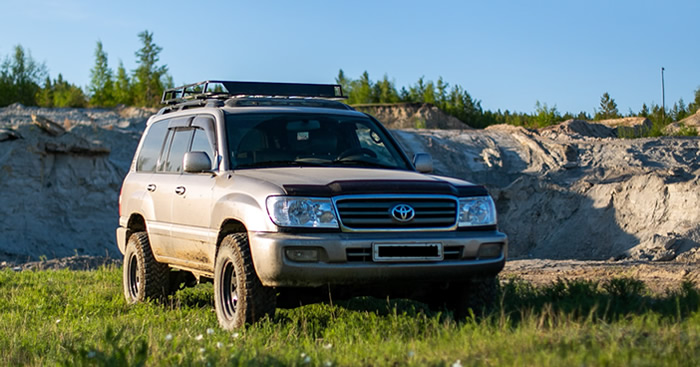
For this route you need a high-clearance 4×4 — a Toyota Land Cruiser (V8 or Prado) or Nissan Patrol is the standard choice. Park roads in both countries, particularly inside Bwindi and Murchison Falls, are unpaved and frequently muddy. Make sure the rental includes:
- A full-size spare tyre (plus a basic repair kit ideally)
- Comprehensive insurance covering both Rwanda and Uganda — confirm this explicitly; not all rental companies extend cover across the border
- A rooftop tent if you want true camping ease, or ensure the vehicle fits a freestanding tent on its roof bars
- A camping fridge/cooler box, cooking gas, and a basic camp kitchen kit
The one-way drop fee from Kigali pickup to Entebbe return is typically USD 300–500, though this varies by company. Reputable operators include Isuzu East Africa Rwanda, Travel with Wabira, Ugabox, and Mungai 4×4 Car Hire (Uganda-side). Book at least 8–12 weeks ahead, especially for dry season travel.
Day-by-Day Breakdown
Days 1–2: Kigali, Rwanda
Collect your vehicle and spend two nights acclimatising to Rwanda’s remarkable capital. The Kigali Genocide Memorial is a profound and essential first stop — allow a full morning. The rest of your time goes to the Kimironko Market, the lively KG Road strip, and visiting the Inema Arts Center in Kacyiru. Camping option: Kigali Camping (basic but central) or you may opt for a guesthouse to ease into the trip.
Drive time next day: ~5 hours to Nyungwe.
Days 3–4: Nyungwe Forest National Park
Nyungwe is one of the oldest and largest montane rainforests in Africa, and a genuine highlight. The chimpanzee tracking experience here rivals Kibale for quality, and the park’s canopy walkway — strung between giant trees 50 metres above the forest floor — is vertigo-inducing and spectacular. The Kamiranzovu wetland trail and colobus monkey treks round out the offer. Camp at One&Only Nyungwe House campsite or the Rwanda Development Board’s basic bush camp.
Drive time next day: ~2 hours to Kibuye/Gisenyi.
Days 5–6: Lake Kivu (Gisenyi / Rubavu)
A full rest day on Lake Kivu is well-earned and genuinely beautiful. The lake, one of Africa’s Great Lakes, sits at 1,460 m and offers clear water, beach cafés, and boat trips to the small islands offshore. Gisenyi (now Rubavu) town is pleasant and has good local restaurants. Camp at Paradis Malahide on the lake shore — outstanding lakeside pitches with cold beer and hammocks.
Drive time next day: ~2.5 hours to Volcanoes NP.
Days 7–8: Volcanoes National Park, Rwanda
The Virunga volcanoes loom dramatically over the northern horizon, and this is where you do mountain gorilla trekking for the first time. Rwanda’s permit costs USD 1,500 per person — the most expensive in Africa — but the experience is extraordinary: an hour in the presence of a gorilla family in misty montane forest is genuinely life-altering. Book permits directly through the Rwanda Development Board website months in advance. Day two allows for golden monkey tracking (USD 100), which is excellent and often overlooked. Camp at Kinigi Guest House grounds or Sabinyo Silverback Lodge’s campsite area.
Drive to Cyanika border: ~1 hour.
The Border Crossing
The Cyanika border post (between Musanze/Ruhengeri in Rwanda and Kisoro in Uganda) is the most scenic crossing and suits this route perfectly. As citizens of EAC partner states enjoy free movement, non-EAC travellers need a valid visa for Uganda — get the East Africa Tourist Visa (USD 100) which covers Rwanda, Uganda, and Kenya. The crossing itself is typically smooth and takes 30–60 minutes. Alternatively, the Gatuna/Katuna border (northeast, Kigali–Kabale direction) is busier but faster on tarmac.
Days 9–10: Lake Bunyonyi, Uganda
Just 8 km from the Kisoro junction, Lake Bunyonyi is Uganda’s deepest lake and one of its most beautiful, dotted with 29 islands and terraced hillsides. This is a pure recovery and exploration stop — hire a dugout canoe, paddle to Bwama Island, and sleep deeply. Overland Corner Resort is the classic overlander campsite here, with lake views, a bar, and good hot showers. Little France is another reliable option on the lake.
Days 11–13: Bwindi Impenetrable Forest National Park
Bwindi is the main gorilla trekking event for most Uganda visitors. The park has four main sectors: Buhoma (north, most established), Ruhija (east), Rushaga and Nkuringo (south). You have three nights here — use one permit day for gorilla trekking (USD 800/person from Uganda Wildlife Authority) and the second day for a village walk, batwa trail, or a community experience in Buhoma. Camping at Buhoma Community Rest Camp or Rushaga Gorilla Camp puts you within walking distance of the park gate. The forest here is cathedral-dark and ancient — 25,000 years old — and the birding is world-class.
Days 14–15: Queen Elizabeth National Park
Uganda’s most famous savannah park straddles the equator and hosts an extraordinary density of wildlife. The Kazinga Channel boat cruise (2 hours on the water between Lakes Edward and George) is arguably the best wildlife boat trip in Africa — hippos, buffalo, and elephants crowd the banks at close range. The Ishasha sector in the south is famous for tree-climbing lions — lions that lounge in fig trees, a behaviour seen almost nowhere else. Camp at Mweya Campsite (stunning position on the Kazinga Channel peninsula) or Ishasha Wilderness Camp.
Days 16–17: Kibale Forest National Park
Kibale holds the highest density of primates in the world — 13 species in one forest. The star attraction is chimpanzee trekking (USD 200/person), but you’ll encounter red colobus, L’Hoest’s monkeys, olive baboons, and black-and-white colobus on the walk in. The Bigodi Wetland Sanctuary — a community-run swamp walk 5 km from the park gate — is one of Uganda’s great bird-watching secrets and costs a fraction of the permit. Camp at Primate Lodge campsite or Kibale Forest Camp.
Days 18–19: Murchison Falls National Park
Uganda’s largest national park sits in the northwest, where the Victoria Nile forces itself through a 7-metre gap in the rocks in what David Livingstone called “the most magnificent sight in Africa.” The boat cruise to the bottom of the falls is unmissable, and the northern bank game drive offers the best chance of spotting giraffe, elephant, lion, and buffalo in open savannah. The hike to the top of the falls takes 45 minutes and rewards with thunderous spray. Camp at Red Chilli Rest Camp (the overlander favourite) or the UWA campsite inside the park for a proper bush experience.
Drive time next day: ~4.5 hours to Entebbe.
Days 20–21: Entebbe; Drop the vehicle at your rental company’s Entebbe depot and decompress. The Entebbe Wildlife Education Centre (aka Entebbe Zoo) is excellent — the chimpanzee and gorilla enclosures are well-managed and the setting on the lake shore is beautiful. The Uganda Botanical Gardens — where Tarzan was actually filmed — offer a gentle final walk. Lunch on the lakeside at Boma Restaurant or Karibu Restaurant is a fitting close. Fly out from Entebbe International Airport (EBB), which is only 4 km from town.
Camping Equipment & Logistics
A rooftop tent makes life dramatically easier on this route — you’re off the ground, away from insects and damp, and set up in minutes. Essential gear includes a sleeping bag rated to at least 10°C (Bwindi nights are cold), a headlamp, a portable camp shower, a 20-litre jerry can for extra fuel (petrol stations are sparse in Murchison and Bwindi corridors), and offline maps downloaded via maps.me or iOverlander — the latter is the overlander bible for campsite GPS coordinates and user reviews across East Africa.
Budget Snapshot (per person, camping)
Item | Estimated cost |
4×4 rental (21 days, ~USD 130/day) | USD 2,730 |
One-way drop fee | USD 400 |
Rwanda gorilla permit | USD 1,500 |
Uganda gorilla permit | USD 800 |
Rwanda chimp permit (Nyungwe) | USD 100 |
Uganda chimp permit (Kibale) | USD 200 |
Park entry fees (all parks) | ~USD 350 |
Camping fees (~USD 10–20/night) | ~USD 250 |
Fuel (est. 200 litres) | ~USD 280 |
Food & supplies | ~USD 400 |
Total (approx.) | ~USD 7,000 |
Costs drop significantly if shared between two travellers splitting the vehicle and fuel. The gorilla permits are the dominant cost — budget for them first and plan everything else around them.
Practical Notes
Best time to go: June–September (long dry season) and December–February (short dry season). Park roads are passable year-round in a 4×4, but the wet seasons (March–May and October–November) make some routes extremely challenging and gorilla treks more arduous.
Visas: The East Africa Tourist Visa (USD 100) covers Uganda, Rwanda, and Kenya and allows multiple entries across those three countries — ideal for this trip.
Yellow fever: A yellow fever vaccination certificate is required at both borders. No exceptions.
Fuel: Fill up completely in Kigali, Musanze, Kabale, Fort Portal, and Masindi before entering remote park areas. Diesel is standard for Land Cruisers.
Communications: A Rwandan SIM (MTN or Airtel) and a Ugandan SIM (MTN Uganda or Airtel Uganda) give you coverage across almost the entire route. Download WhatsApp maps and iOverlander before departure.
Click any stop on the route map above to ask for deeper details on that destination.